
“Communities are stronger when refugees and migrants are included”
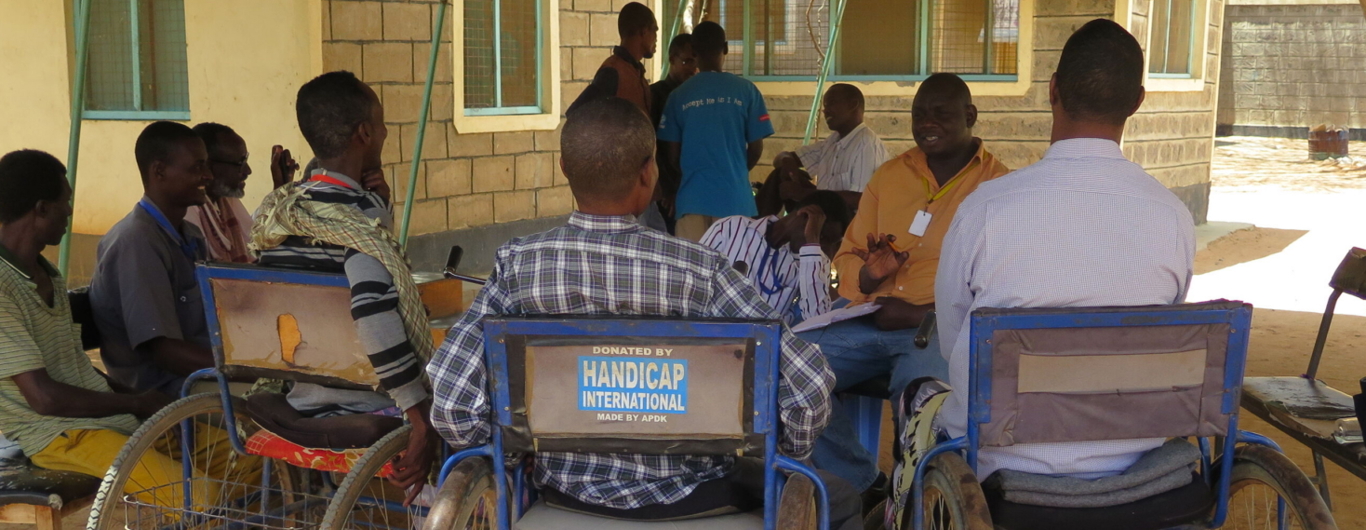
Around the world, millions of people are left with little choice but to leave their homes because of conflicts, violence, persecution or climate emergencies. Many are still seeking protection. On World Refugee Day, Victor Nyamori, Researcher and Advisor on Refugees and Migrants’ Rights at Amnesty International, reflects on what has changed in recent years, the challenges that remain and how everybody has a role to play in the fight for justice.
Can you tell me about your role at Amnesty and what it involves?
I work with the Refugees and Migrants’ Rights team, doing research and advising colleagues across Amnesty. I do everything from collecting testimonies and evidence from the ground, analyzing it, and bringing it to international institutions and organizations with the aim of influencing policy changes.
I also provide technical advice on refugees and migrants’ rights, including how people can access protection, the laws that protect people going through that process, and the responsibilities countries have to protect people after they have been given asylum.
How did you get into this area of work?
I trained as a lawyer in Kenya and have worked within the refugee sector for 15 years now. After finishing university, I worked with the United Nations High Commissioner for Refugees (UNHCR) in the Dadaab refugee camp, one of the largest in the world where more than 400,000 people live. That provided me with a completely different perspective of what life is like for people who are left with few options but to leave their countries to seek protection. I then worked with HIAS, another global organization working on refugee issues and then Save the Children.
After that, I joined Amnesty’s Regional Office for East Africa, in Nairobi where I continue to support refugees and asylum seekers.
Is there a piece of work you have done that has had a lasting impact on you?
One area that has had a big impact on me has been the work we’ve done with people from the LGBTI community in Uganda seeking protection in Kenya. Although many received protection in Kenya, the government would delay many of the processes, just making people’s lives more difficult. So, we started documenting the experiences of LGBTI refugees and asylum seekers at the Kakuma refugee camp.
We found that many of them could not register for documents and without that they were unable to access basic services like health, education and others. We analyzed their experiences in the context of the obligations Kenya has, including when it comes to delivering justice as we found authorities were not investigating when people came forward to report abuses.
So, working very closely with LGBTI refugees living in the Kakuma refugee camp, we produced a report based on their experiences and agreed on a set of recommendations to the government. This is an issue that we continue to work on and have seen some progress, even though many challenges remain.
You’ve been doing research on climate displacement in Namibia. Can you tell us a little bit more about that?
Traditionally, people have always thought refugees are leaving their country exclusively because of conflict. While many countries in east and southern Africa are facing conflict, environmental factors have now become one of the main reasons why people leave their homes. If you cannot grow food to feed your children, the thing most people would do is leave and try to find better opportunities somewhere else.
This is happening a lot in east Africa. In Somalia, for example, there has been a drought for a few years and when it rains, there’s major floods. I went to the Dadaab and spoke to many people who had moved because of the flooding. They told me how when the rain came it would wash away their families, their goats, whatever they planted so they crossed the border to try and find a better life.
I am currently working on a project in the southern region which documents the experiences of Angolans who have had recurrent drought in Southern parts for a decade and are now crossing to Namibia seeking protection. Most of these people are not given protection and without documentation or any formal recognition they cannot access many services, including healthcare, education and face the risk of deportation. This is happening because countries are not recognizing the climate emergency as a reason why people are seeking safer places to live and cannot be returned back to their countries.
What should governments do to support the plight of refugees?
The Angola-Namibia situation reflects what is happening globally. People move because of different factors in their lives, and it is important that governments take the time to understand these factors before making decisions.
States should listen to people, conduct assessments based on their international human rights obligations, looking into the particularities of the situations people are facing. People should be given the opportunity to live normal lives and access basic services including health and education.
How can people get involved in the fight for justice?
The number of refugees is growing every year, but what we should never forget is that behind each number there’s an individual, a life. A woman in Angola, a child in Kenya, a young man in Uganda, people who just want to live a normal life, just like any other person, like any of us. I urge people to find and join community groups in their area and find ways to support refugees and migrants, to include them in society and not treat them as outsiders.